Lia Kim, L.Ac. · Doraville · Metro Atlanta

Direct moxibustion in Doraville, GA

Direct moxibustion uses small amounts of moxa placed on the skin. Lia discusses the specific technique, your goals and skin safety before considering treatment.

Discuss a visit ↗
60-minute first visitConsultation · assessment · treatment
Individual treatment planOptions and follow-up depend on your needs
Visit time, fees & insurance ↗Herbal pricing is on a separate page

Direct moxa: what the term means

Moxa is a traditional herbal material used to apply heat. Direct techniques place it on the skin; indirect techniques keep the burning material separated from the skin.

Lia offers both scarring and non-scarring direct methods, with informed consent for the proposed method.

Mugeuk Boyang moxibustion (무극보양뜸)

Mugeuk Boyang is a Korean moxibustion approach associated with Kim Nam-su. Its traditional focus is whole-person care and maintaining balance, rather than treating only the place where a symptom is felt.

It uses a set of selected acupuncture points as a starting framework. The name describes a traditional approach, not a guarantee of benefit for every condition.
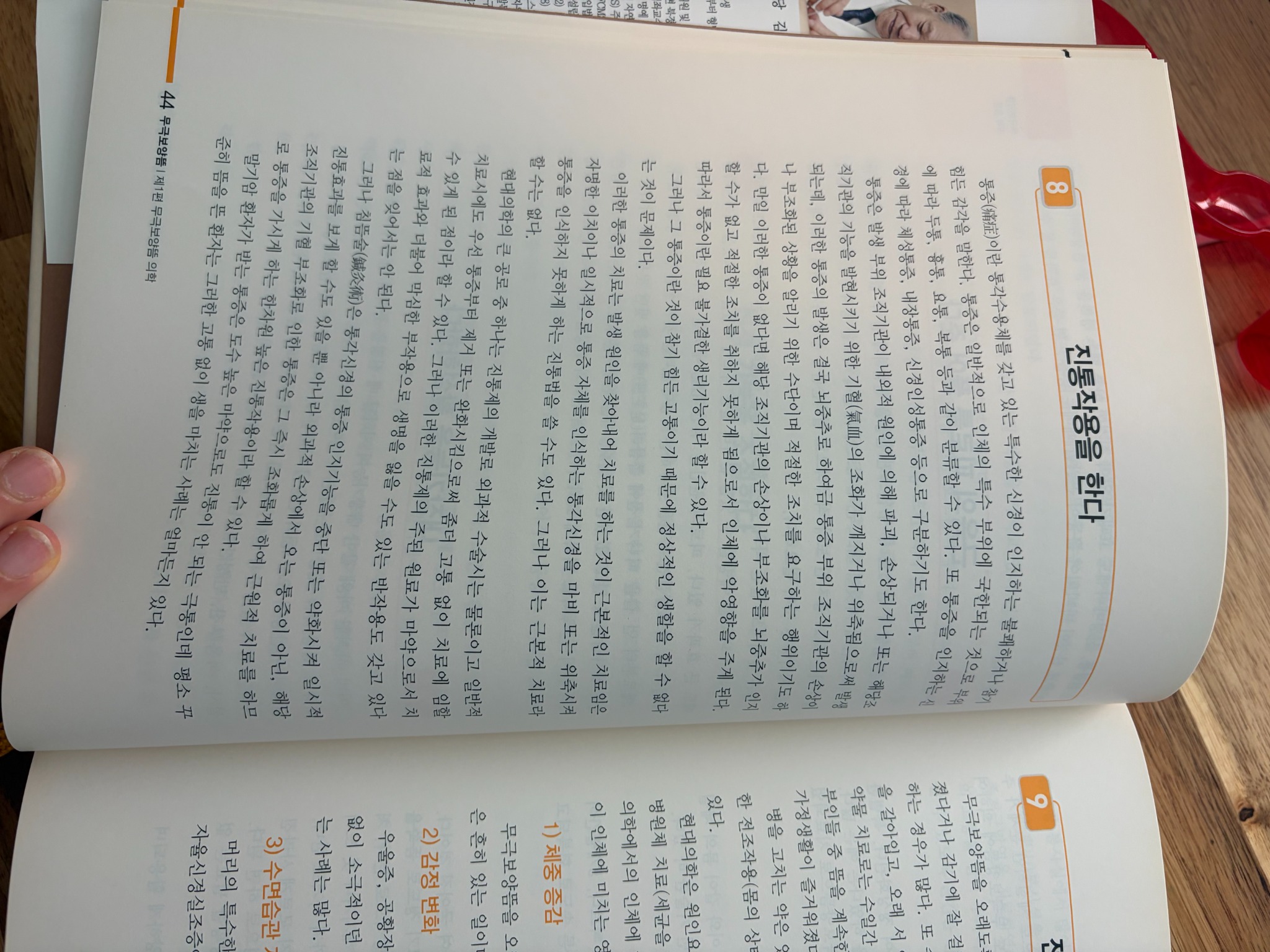
Photograph of page 44 of the Korean book Mugeuk Boyang Moxibustion by Kim Nam-su
From the traditional Korean teaching material
Kim Nam-su, 무극보양뜸, p. 44. Photograph supplied by Lia.
Historical context—not proof of the health claims printed in the book, or a guide to home treatment.
Important to know

Understand the skin risks first

Scarring methods can cause burns, blisters and lasting scars. Non-scarring methods can also burn or irritate skin.

Discuss diabetes, reduced sensation, fragile or damaged skin, healing difficulties, pregnancy and any ongoing medical treatment. A different approach may be more appropriate.

A closer look

Open the topics that matter to you.

How this tradition may inform your care

The Korean teaching material describes attention to comfort, rest, digestion and overall well-being. In a consultation, these become individual questions and goals: what interrupts your day, what you hope will change, and whether direct moxa is appropriate.

The treated areas, method and follow-up are discussed according to your assessment. A traditional framework does not require everyone to receive the same treatment.

Traditional explanations and clinical research

Traditional texts describe broad effects on vitality and body regulation. Such explanations and case stories are not the same as controlled clinical evidence.

A small 2016 Korean study involving 60 older women with chronic low-back pain reported improvements with a moxibustion program that included Mugeuk Boyang points. It was nonrandomized and used a combined treatment protocol, so it cannot establish the effect of Mugeuk Boyang alone or predict results for other patients.

It does not establish benefit after chemotherapy.

What the consultation covers

Discuss the reason for considering moxa, the proposed method, the area to be treated, expected skin effects and alternatives. Tell Lia about your tolerance for heat and any concerns about smoke, odor or lasting marks.

You may decline moxa and discuss other care options.

How it fits into a wider treatment plan

Direct moxa can be considered alongside acupuncture or other care when appropriate. It is not automatically added because you feel cold, have pain or are recovering from medical treatment.

The choice follows assessment, a discussion of risks and your informed consent.

Before you leave

Ask what skin changes are expected from the exact method used and what aftercare to follow. Contact the clinic if you have questions about the treated area.

Unexpected or worsening skin symptoms need prompt assessment rather than another home heat treatment.

A considered option, not a requirement

Moxa is not included automatically with acupuncture. Its suitability depends on the concern and individual assessment.

Evidence varies by condition and technique; results from acupuncture studies do not establish the effects of direct moxa. Do not attempt direct moxibustion at home.

Questions you can ask before consenting

Ask why direct moxa is being considered for your concern, whether a scarring or non-scarring method is proposed, and what other options are available. Discuss how the heat will be monitored and what skin care you will need afterward.

The plan should be clear before treatment begins, and you can ask to pause or stop at any time.

Common questions

Does direct moxa always leave a scar?

The intended skin effect depends on the method. Scarring techniques can leave lasting marks, and even non-scarring techniques carry a burn risk. Ask what is proposed before consenting.

Is direct moxa appropriate after chemotherapy?

It may be unsuitable. Skin sensitivity, reduced sensation, wound healing and infection risk need particular attention. Discuss this with your oncology team before considering treatment.

When will I need a follow-up or reassessment?

Timing depends on your treatment progress. Lia reviews your response and current needs to decide when to reassess, adjust the plan or arrange another visit.

Is Mugeuk Boyang the same as all direct moxibustion?

No. Direct moxibustion describes how moxa is applied at the skin. Mugeuk Boyang describes a particular traditional treatment framework. Ask which approach and skin technique are proposed for your visit.

Does this boost immunity or balance hormones?

Traditional material discusses these ideas, but they are not established promises for this treatment. Your plan focuses on individual symptom and daily-function goals, without a guarantee of immune or hormone changes.

Can I follow the traditional routine at home?

This page is background information, not a home-treatment guide. Direct moxa can burn the skin and requires assessment, informed consent and appropriate aftercare. Discuss treatment with Lia rather than copying a point list or burning schedule.

Sources & further reading

General information; suitability is assessed individually. Outcomes vary.

Other care topics

Schedule with Lia ↗